
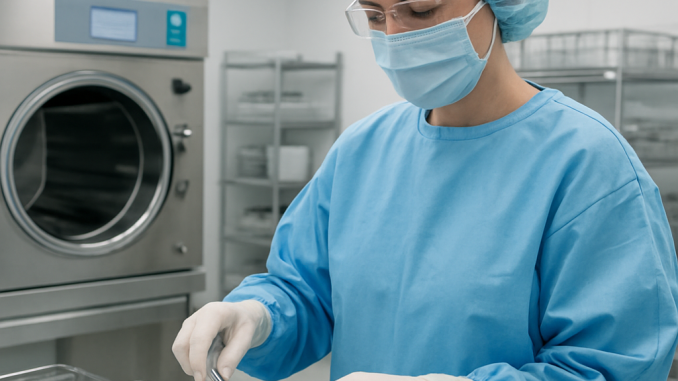
Sterile Processing Technician Skills are vital for maintaining high standards of patient safety in healthcare settings. These professionals play a crucial role in ensuring that surgical instruments and medical devices are properly cleaned, sterilized, and ready for use. A strong foundation in these skills not only enhances the technician’s career prospects but also significantly impacts the overall quality of care provided in hospitals and clinics. Mastering sterile processing technician skills involves rigorous training and a commitment to quality control, attention to detail, and consistent communication with other healthcare staff. In this article, we will delve into the top ten essential skills that every sterile processing technician must master to thrive in their pivotal role.
The role of a sterile processing professional, often referred to as a central sterile technician or sterile processing specialist, encompasses a range of duties aimed at ensuring the safety and cleanliness of medical instruments. Mastery in this field requires an understanding of the sterilization processes, quality assurance measures, and effective communication within healthcare teams. These skilled individuals are imperative for preventing healthcare-associated infections and maintaining seamless operations in surgical departments. Exploring the various competencies of these technicians can shed light on their significant contributions to patient care and operational efficiency in medical facilities.
The Crucial Role of Sterile Processing Technicians in Healthcare
Sterile Processing Technicians are vital players in the healthcare environment, tasked with guaranteeing the safe use of surgical instruments. Every surgical procedure relies heavily on the effectiveness of sterile processing, making it paramount to patient outcomes. When these technicians are meticulously trained, they directly contribute to reducing the risks of infections and complications in surgical settings. The healthcare industry’s increasing emphasis on sterilization processes underscores the significance of these technicians in providing safe and quality care.
Moreover, the growing complexity of surgical procedures demands an even higher level of expertise from sterile processing technicians. As medical technology advances, these professionals must stay updated on new sterilization methods and instrumentation. Their relentless dedication to mastering the nuances of sterile processing not only fosters a safer healthcare environment but also enhances collaboration among surgical teams, ultimately improving patient safety and trust in healthcare institutions.
Frequently Asked Questions
What are the essential Sterile Processing Technician Skills required in the healthcare industry?
The essential sterile processing technician skills include understanding sterilization processes, quality control techniques, attention to detail, infection control practices, proficient use of cleaning equipment, effective organization skills, communication skills, knowledge of medical instrumentation, problem-solving skills, and a commitment to continuous education.
How does Attention to Detail impact Sterile Processing Technician Skills?
Attention to detail is critical for sterile processing technicians as it ensures thorough inspections of surgical instruments for defects and residues. This skill helps maintain patient safety by guaranteeing that only properly cleaned and sterilized equipment reaches operating rooms.
Why is knowledge of infection control practices a vital Sterile Processing Technician Skill?
Knowledge of infection control practices is vital for sterile processing technicians to prevent healthcare-associated infections. Understanding the chain of infection, hand hygiene, and proper disposal of infectious waste are critical components of this skill.
What role do communication skills play in the effectiveness of Sterile Processing Technician Skills?
Communication skills are essential for sterile processing technicians to convey the status of sterile instruments to surgeons and nurses effectively. Clear communication helps prevent misunderstandings that could interfere with surgical procedures.
What are quality control techniques in Sterile Processing Technician Skills?
Quality control techniques in sterile processing technician skills involve performing biological monitoring, using chemical indicators, and conducting sterilizer tests to verify the effectiveness of the sterilization processes and the reliability of the instruments.
How do problem-solving skills enhance Sterile Processing Technician Skills in the workplace?
Problem-solving skills enhance sterile processing technician skills by enabling technicians to quickly address issues like malfunctioning sterilizers or changes in surgical schedules, ensuring efficiency and maintaining high standards of patient care.
What is the importance of continuous education in improving Sterile Processing Technician Skills?
Continuous education is crucial for sterile processing technicians to stay updated with the latest best practices, technologies, and guidelines in sterilization methods, which enhances their skills and overall effectiveness in patient safety.
| Skill | Importance |
|---|---|
| Understanding the Sterilization Process | Essential for effective sterilization and troubleshooting. |
| Quality Control Techniques | Ensures reliability of sterilization and safety of instruments. |
| Attention to Detail | Critical for identifying defects that could harm patient safety. |
| Knowledge of Infection Control Practices | Prevents healthcare-associated infections and promotes safety. |
| Proficient Use of Cleaning Equipment | Ensures proper operation and maintenance of sterilization tools. |
| Effective Organization Skills | Manages workflow efficiently in sterile processing departments. |
| Communication Skills | Important for collaboration and preventing surgical errors. |
| Knowledge of Medical Instrumentation | Facilitates proper handling and sterilization of instruments. |
| Problem-Solving Skills | Essential for addressing issues quickly in a dynamic environment. |
| Commitment to Continuous Education | Keeps technicians updated on the latest best practices. |
Summary
Sterile Processing Technician Skills are vital for those pursuing a career in healthcare, as they ensure patient safety and the effectiveness of surgical procedures. A proficient understanding of sterilization methods, quality control techniques, and infection control practices forms the backbone of this profession. Not only is attention to detail paramount in preventing errors that could compromise patient care, but effective organization and communication further enhance the efficiency of sterile processing operations. Moreover, equipping oneself with problem-solving skills and committing to lifelong education keeps technicians at the forefront of advancements in the field. In conclusion, mastering these fundamental skills is not merely about personal career advancement; it is about contributing to the overall safety and efficacy of healthcare, solidifying the sterile processing technician’s role as an indispensable partner in patient care.
Discover the power of Autowp, the ultimate AI content generator and AI content creator plugin for WordPress. Designed to streamline your content creation process, Autowp utilizes advanced artificial intelligence technology to generate high-quality, SEO-friendly articles and posts that engage your audience and improve your site’s ranking. Whether you’re a blogger, marketer, or business owner, Autowp makes it easy to produce unique content that resonates with your readers. To remove this promotional paragraph, upgrade to Autowp Premium membership.
Leave a Reply