
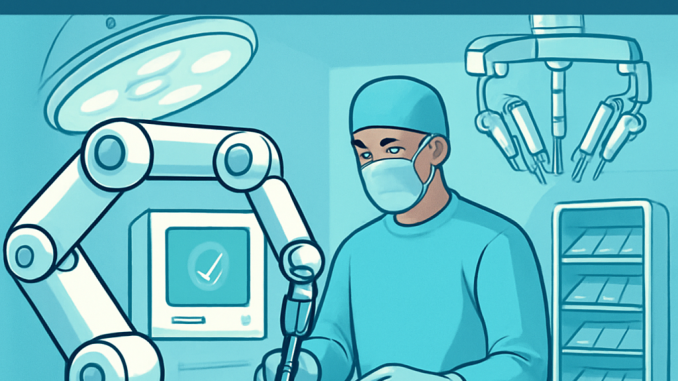
The future of sterile processing promises to revolutionize how healthcare facilities maintain safety and compliance in medical procedures. As we move forward, the convergence of sterile processing trends such as increased automation and innovations in sterilization is becoming increasingly evident. Automated systems and robotic sterile processing are streamlining workflows, significantly reducing human error while enhancing efficiency. These advancements not only align with healthcare compliance standards but also promote a culture of safety for patients and staff alike. By embracing these changes, sterile processing departments are poised to optimize operations and improve patient outcomes.
In today’s healthcare landscape, the concept of sanitation and sterilization is being redefined through cutting-edge technologies and innovative practices. The evolution of instrument sterilization processes and the introduction of advanced automation systems reflect the growing demand for efficiency and precision in medical settings. Terms like “cleaning protocols,” “disinfection advancements,” and “process optimization in infection control” are now central to discussions around improving sterile processing. As we explore these alternative terminologies, it becomes clear that the pursuit of safer, more compliant healthcare environments necessitates a deeper understanding of the innovations shaping this field. The next wave in healthcare’s fight against infection will heavily rely on these emerging methodologies and techniques.
The Impact of Automation on Sterile Processing
As healthcare systems strive for higher efficiency, automation in sterile processing has emerged as a game-changer. Automated systems not only streamline workflows but also drastically reduce the risk of human error, which is crucial in environments where infection control is paramount. By integrating robotic systems for tasks such as sorting and transporting instruments, facilities can free up staff to focus on more intricate duties, thus enhancing the overall productivity of sterile processing departments.
Moreover, the implementation of automated sterilizers and tracking systems provides real-time feedback, allowing technicians to monitor each stage of the sterilization process. This transition to automation aligns with the industry’s trend toward data-driven decision-making, where analytics matter for optimizing workflow efficiency. As facilities continue to adopt these technologies, they are likely to see significant improvements in compliance with healthcare standards and overall patient safety.
Innovations in Sterilization Techniques
With the continued emergence of new technologies, innovations in sterilization techniques have led to more effective methods that minimize environmental impact while enhancing safety. For instance, techniques like supercritical carbon dioxide sterilization present a viable alternative to traditional methods by utilizing fewer resources and offering faster processing times. As resistance to standard sterilization methods rises among pathogens, these innovative solutions become necessary to ensure comprehensive microbial eradication.
Additionally, the introduction of ozone sterilization are making breakthroughs in the healthcare sector by providing solutions that comply with green practices. These innovations in sterilization not only meet patient safety regulations but also align with the increasing demand for sustainable healthcare practices. As sterilization technology advances, it becomes imperative for sterile processing departments to stay informed about these developments and adapt accordingly.
The Rise of Robotics in Sterile Processing
Robotic sterile processing is revolutionizing the field by introducing efficiencies that were previously unattainable. With robotic systems designed to perform repetitive tasks, such as cleaning and sorting surgical instruments, healthcare facilities can improve accuracy and reduce processing times. This shift not only allows for better resource management but also enhances the quality of care delivered to patients.
Moreover, as robotic technology continues to evolve, we can expect the integration of advanced features such as artificial intelligence, which will enable these systems to learn from past operations and optimize future performance. The ongoing investment in technology underscores the importance of embracing robotics in sterile processing, ensuring compliance and safety in an ever-demanding healthcare environment.
Harnessing Data-Driven Decision Making in Sterile Processing
The trend towards data-driven decision-making is revolutionizing how sterile processing departments operate. By leveraging analytics to track instruments and assess sterilization cycles, facilities can gain critical insights that inform their operational strategies. This data enables managers to optimize inventory management and identify best practices, providing a foundation for continuous improvement within the department.
Furthermore, harnessing real-time data enhances compliance with healthcare regulations, as facilities can monitor sterilization effectiveness and promptly address any issues. As hospitals and surgical centers embrace this trend, data analytics will undoubtedly play a pivotal role in guiding both administrative decisions and clinical practices, emphasizing the significance of integrating technology within sterile processing.
Emphasizing Compliance and Accountability in Sterile Processing
As innovations in sterile processing reshape the healthcare landscape, ensuring compliance with rigorous regulations has never been more critical. Regulatory bodies continuously adapt their standards in response to new technologies, making it essential for sterile processing departments to remain informed and compliant. The evolving nature of healthcare compliance presents both challenges and opportunities for improving patient safety.
Implementing technologies such as blockchain for traceability offers a solution to bolster compliance and accountability in sterile processing. By providing an immutable record of each sterilization cycle and instrument usage, facilities can enhance transparency and trust in their processes. As compliance requirements grow stricter, organizations that prioritize accountability through innovative solutions will lead the way in ensuring patient safety.
Challenges and Opportunities in Implementing New Technologies
While the future of sterile processing is bright with innovation, the transition to new technologies presents challenges that must be addressed. Implementation often requires significant financial investment and extensive staff training, which can strain resources and disrupt existing workflows. Not all facilities may have the infrastructure to adopt advanced technologies like IoT devices or robotics, leading to disparities in the quality of care.
Despite these challenges, the opportunities presented by these advancements are too significant to ignore. Facilities that successfully navigate the initial hurdles will likely reap benefits in efficiency, patient safety, and compliance. By fostering a culture of continual learning and adaptation among staff, healthcare organizations can ensure they are prepared for the demands of modern sterile processing.
The Future of Sterile Processing: Trends to Watch
Looking ahead, the future of sterile processing promises transformative trends that will reshape healthcare delivery. As automation becomes more prevalent, we can expect to see facilities investing in sophisticated technologies that enhance efficiency and improve patient outcomes. Sterile processing departments will increasingly rely on innovations such as smart sterilization systems and IoT connectivity, streamlining operations and minimizing error.
Additionally, as the focus on sustainability grows, practices within sterile processing will evolve to meet environmental standards. The integration of green technologies and sustainable practices will not only improve compliance with regulations but also support the global movement towards eco-friendly healthcare solutions. The future of sterile processing is not just about technology; it’s about enhancing patient care while being mindful of our world.
Frequently Asked Questions
What are the key trends in the future of sterile processing?
The future of sterile processing is shaped by several key trends including increased automation, data-driven decision making, and the integration of IoT devices. These trends enhance efficiency, reduce human errors, and improve workflow management, ultimately ensuring better patient safety.
How is automation in sterile processing changing the healthcare landscape?
Automation in sterile processing is revolutionizing workflows by performing tasks faster and more consistently, reducing the risk of human errors. Automated washers and sterilizers streamline operations, allowing staff to focus on critical tasks, thus enhancing overall patient safety and operational efficiency.
What role does innovation in sterilization play in the future of sterile processing?
Innovations in sterilization, such as green sterilization technologies and smart sterilization systems, are crucial for improving efficacy and sustainability. These innovations not only ensure effective instrument sterilization but also reduce environmental impact, aligning with the healthcare industry’s push for greener practices.
How is robotics being utilized in the future of sterile processing?
Robotic sterile processing systems are being used to automate tasks such as sorting, preparing, and transporting instruments, significantly increasing efficiency and accuracy. This allows human staff to allocate their time to more complex responsibilities, thereby improving the quality of sterile processing operations.
Why is healthcare compliance important in the future of sterile processing?
Healthcare compliance is vital in the future of sterile processing as it ensures adherence to updated regulations and guidelines. Compliance with these standards protects patient safety, maintains accreditation for facilities, and fosters trust in the healthcare system through accountability.
What impact does data-driven decision making have in sterile processing?
Data-driven decision making in sterile processing enhances operational efficiency by allowing facilities to track instrument usage and sterilization cycles. This analytical approach helps optimize inventory management and establish best practices tailored to specific needs, leading to better patient outcomes.
How is the Internet of Things (IoT) influencing the future of sterile processing?
The Internet of Things (IoT) is influencing the future of sterile processing by enabling real-time monitoring and reporting of sterilization cycles and instrument tracking. This connectivity facilitates improved communication between departments, thereby streamlining processes and enhancing patient safety.
| Key Points | Details |
|---|---|
| Understanding Sterile Processing | Sterile processing involves cleaning, disinfecting, and sterilizing medical instruments to ensure patient safety. |
| Current Trends | 1. Increased Automation: Improves efficiency and reduces human error. 2. Data-Driven Decision Making: Enhances workflow efficiency through analytics. 3. Green Sterilization Technologies: Introduces sustainable methods for sterilization. 4. Enhanced Staff Training: Utilizes VR and AR for better training. 5. Integration of IoT Devices: Allows real-time data tracking and monitoring. |
| Innovations | 1. Robotics: Streamlines sorting and transporting medical instruments. 2. Smart Sterilization Systems: Tailors sterilization cycles based on instrument type. 3. Blockchain Technology: Enhances traceability in sterilization processes. 4. 3D Printing: Creates custom surgical instruments on-demand. |
| Compliance and Challenges | Continuous updates in compliance and regulations are crucial. Major challenges include investment in new systems and cybersecurity concerns. |
Summary
The Future of Sterile Processing is not just about keeping pace with technological advancements; it represents a foundation of safety and efficiency in healthcare. As we move forward, embracing innovations such as automation, IoT integration, and sustainable practices is essential for any healthcare institution striving for excellence. Failure to adapt not only risks compliance issues but potentially endangers patients’ lives. Therefore, the emphasis must be on continual improvement and investment in training to ensure that personnel are equipped to handle these changes. The path ahead is filled with challenges, but the commitment to achieving a safer, more efficient sterile processing environment is paramount for the future of patient care.
Introducing Autowp, the ultimate AI content generator and AI content creator plugin for WordPress designed to revolutionize your content creation process. With its cutting-edge artificial intelligence technology, Autowp empowers bloggers and marketers by effortlessly generating high-quality articles, enhancing SEO strategies, and saving invaluable time. Experience the future of content creation with Autowp, ensuring your website stands out in a crowded digital landscape. To remove this promotional paragraph, upgrade to Autowp Premium membership.
Leave a Reply