
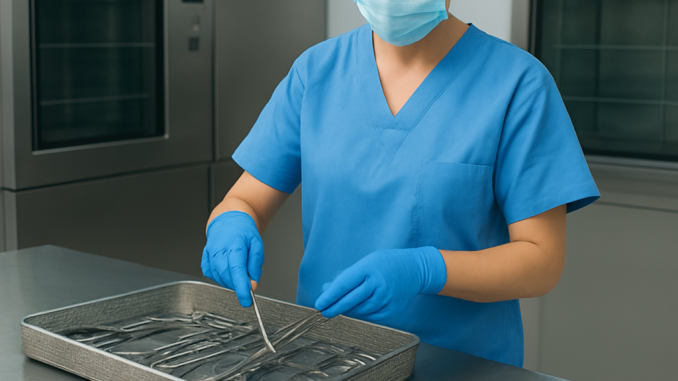
Sterile Processing Technicians (SPTs) are indispensable players in the healthcare arena, ensuring that surgical instruments and medical devices are meticulously cleaned, sterilized, and prepared for use. In an industry where patient safety is of utmost importance, SPTs stand as the frontline defenders against infection and contamination. Their attention to detail and adherence to stringent protocols are vital in preventing hospital-acquired infections, which can compromise patient health and extend hospital stays. This blog post delves into the multifaceted responsibilities of sterile processing technicians, exploring their profound impact on patient outcomes and the high standards they uphold within healthcare facilities. As we unravel the intricate role of SPTs, you’ll discover how these dedicated professionals contribute significantly to quality care and patient safety.
When we speak of sterile processing, we refer to the essential functions performed by precision technicians responsible for the cleaning and sterilization of medical tools and instruments. Also known as central sterile services technicians or sterilization specialists, these professionals are trained to ensure that all surgical and diagnostic equipment meets healthcare safety standards. Their expertise helps to mitigate risks associated with invasive procedures, emphasizing the crucial nature of their work within the surgical suite. By maintaining an organized and sterilized environment, these specialists not only protect patients from potential infections but also enhance the overall quality of care in medical facilities. Understanding the full scope of their responsibilities sheds light on the vital contributions of sterile processing professionals in the healthcare system.
Understanding the Vital Role of Sterile Processing Technicians
Sterile Processing Technicians (SPTs) serve a critical function within healthcare systems that extends far beyond just washing and sterilizing instruments. Their role is a linchpin in the effort to maintain patient safety and prevent infections that can arise from surgical procedures. The direct correlation between the work SPTs perform and patient outcomes cannot be overstated; their meticulous attention to detail directly influences the safety of medical procedures. In an environment where every decision can result in serious repercussions, the knowledge and expertise of SPTs become invaluable.
Moreover, the responsibilities of SPTs include a sophisticated understanding of sterilization methods, materials, and infection control practices. As infection rates in hospitals remain a pressing issue, the role of these technicians is coming under increasing scrutiny. There is growing recognition that hospitals employing well-trained sterile processing technicians tend to experience lower rates of hospital-acquired infections, leading to shorter patient recovery times and reduced healthcare costs. These facts reinforce the argument that investing in the training and development of SPTs is essential for the overarching health system.
Sterilization Protocols: The Backbone of Patient Safety
Sterilization protocols are at the heart of ensuring patient safety during surgical operations. Sterile Processing Technicians must adhere to stringent guidelines that require them to be knowledgeable about various sterilization methods, including steam, ethylene oxide, and hydrogen peroxide plasma. Each method has its own specific criteria, making it imperative for SPTs to choose the correct technique suited to the instruments being processed. This technical understanding minimizes the risk of infection and enhances overall patient care.
Furthermore, rigorous adherence to these sterilization protocols is backed by solid research that indicates a direct link between effective sterilization and patient outcomes. For instance, studies have shown that hospitals dedicated to maintaining high sterilization standards enjoy lower infection rates and better surgical results. This evidence supports the argument that sterile processing technicians play a pivotal role in the fight against surgical site infections, emphasizing their importance in the healthcare ecosystem.
The Skills and Training Necessary for SPT Success
Becoming a proficient Sterile Processing Technician requires a combination of relevant education and specialized training. Most SPTs gain their qualifications through certification programs, which cover essential topics such as surgical instrumentation, infection control, and sterilization techniques. This formal education equips technicians with a robust understanding of the complex nature of their role and the scientific principles behind their work.
In addition to formal education, hands-on training is critical. Many healthcare institutions offer job-specific training to ensure that SPTs are prepared to operate sterilization equipment competently and adhere to safety protocols. The commitment to continuous learning plays a crucial role in maintaining high standards of patient care, as it allows SPTs to stay updated on the latest technologies and best practices in sterile processing. Therefore, the integration of robust training programs in healthcare facilities is essential for fostering competent SPTs.
Addressing the Risks of Improper Sterilization
The risks associated with improper sterilization of surgical instruments cannot be overlooked. Inadequate cleaning and sterilization can lead to devastating consequences for patients, including serious infections and complications that could extend hospitalization and increase healthcare costs. Statistics indicate that surgical site infections are a leading cause of morbidity and mortality in hospitals, making the role of sterile processing technicians crucial in mitigating these risks.
Moreover, the potential for lapses in sterilization practices raises significant ethical concerns within healthcare. When patients trust their care providers, they assume that due diligence has been taken to ensure their safety. The responsibility of SPTs extends beyond technical tasks; they carry an ethical obligation to safeguard patient health by adhering strictly to sterilization protocols and guidelines. Therefore, reinforcing proper training and highlighting the critical nature of their work becomes imperative in reducing the risk of infection and ensuring patient trust.
The Impact of Technological Advancements on Sterile Processing
As technology continues to advance, the field of sterile processing is undergoing significant transformations. Innovations in sterilization equipment, including automated sterilizers and advanced robotics, are enhancing the efficiency and accuracy of the sterilization process. Sterile Processing Technicians must adapt to these changes, acquiring new skills and knowledge to operate sophisticated machinery successfully.
Additionally, these advancements present opportunities for improving patient outcomes. Automated systems can minimize human error, ensuring consistent sterilization results that adhere to stringent safety standards. By embracing technological progress, sterile processing departments can bolster their critical role in operating theaters, ultimately leading to better patient care. Adapting to these innovations not only benefits SPTs professionally but also reflects a commitment to continual improvement in patient safety measures.
Regulatory Standards in Sterile Processing: Why Compliance Matters
Regulatory standards in sterile processing, set forth by organizations such as the Centers for Disease Control and Prevention (CDC) and the Association for the Advancement of Medical Instrumentation (AAMI), are fundamental to maintaining patient safety. Complying with these regulations ensures that sterile processing departments operate under best practices, which significantly reduces the likelihood of infections and complications during surgeries. Sterile Processing Technicians play a vital role in implementing these standards, ensuring that all protocols are followed meticulously.
Non-compliance with regulatory standards can result in serious consequences for healthcare facilities, including penalties, increased scrutiny, and damage to reputations. In extreme cases, failure to maintain these standards can even lead to legal repercussions. Therefore, it is crucial for healthcare institutions to prioritize compliance through rigorous training and ongoing education for sterile processing technicians. This not only protects patients but also fosters a culture of accountability and safety within healthcare settings.
The Future of Sterile Processing: Adapting to Evolving Challenges
The future of sterile processing holds both challenges and opportunities as the healthcare landscape continues to evolve. With the rise of new surgical technologies and increasing patient expectations for safety, sterile processing technicians must remain at the forefront of industry advancements. Continuous education and adaptability will be essential qualities for SPTs as they strive to meet these emerging challenges.
Moreover, as healthcare systems increasingly focus on preventing infectious diseases, the significance of sterile processing technicians will undoubtedly grow. The demand for skilled professionals who can navigate complex sterilization protocols and leverage advanced technologies will become critical in safeguarding patient health. Ultimately, the evolution of the healthcare field will require SPTs to not only enhance their existing skills but also embrace lifelong learning to remain effective in their roles.
Frequently Asked Questions
What are the primary duties of Sterile Processing Technicians?
Sterile Processing Technicians (SPTs) are responsible for cleaning, decontaminating, sterilizing, and storing surgical instruments and equipment. Their primary duties include inspecting instruments for defects, assembling surgical trays, and ensuring proper sterilization methods are used to maintain patient safety.
How do Sterile Processing Technicians contribute to patient safety?
SPTs play a crucial role in patient safety by preventing hospital-acquired infections (HAIs). By ensuring that instruments are properly cleaned and sterilized, they help reduce infection risks during surgeries, ultimately leading to better patient outcomes and reduced healthcare costs.
What skills are necessary to become a successful Sterile Processing Technician?
Successful Sterile Processing Technicians need a combination of technical skills, attention to detail, knowledge of infection control practices, and familiarity with sterilization equipment. Specialized training and certification can enhance their expertise in maintaining safety and quality in healthcare.
What qualifications are required to work as a Sterile Processing Technician?
To work as a Sterile Processing Technician, individuals typically require a certificate or associate degree in sterile processing or a related field. Certification from recognized organizations, such as the Certification Board for Sterile Processing and Distribution (CBSPD), can provide a competitive edge in the job market.
What types of sterilization methods do Sterile Processing Technicians use?
Sterile Processing Technicians use various sterilization methods including steam sterilization, ethylene oxide gas, and hydrogen peroxide plasma. The choice of method depends on the material of the instruments and the specific requirements for effective sterilization.
How do Sterile Processing Technicians ensure compliance with health regulations?
To ensure compliance with health regulations, Sterile Processing Technicians meticulously document sterilization cycles, maintain sterilizer records, and follow established protocols. Keeping accurate records helps track processes and address any issues that may arise regarding sterilization standards.
What advancements are influencing the future of Sterile Processing Technicians?
Advancements such as automated sterilizers, robotics in sterile processing, and new sterilization techniques are influencing the future of Sterile Processing Technicians. Continuous education and training will be essential for SPTs to adapt to these technologies and maintain high standards of patient safety.
| Key Point | Details |
|---|---|
| Role of Sterile Processing Technicians | Essential for cleaning, sterilizing, and managing surgical instruments to ensure patient safety. |
| Importance of Sterile Processing | Directly impacts patient safety by preventing hospital-acquired infections (HAIs). |
| Key Responsibilities | Cleaning, inspection, sterilization, storage, and documentation of medical instruments. |
| Training and Skills Required | Requires education, attention to detail, knowledge of infection control, and technical skills. |
| Future Outlook | Continual adaptation to advancements in technology and regulations to maintain roles. |
Summary
Sterile Processing Technicians play an indispensable role in safeguarding patient health within healthcare facilities. Their meticulous work in pathogen eradication through cleaning and sterilizing instruments not only prevents infections but also enhances the overall quality of care provided. As the complexity of the healthcare industry increases, the demand for skilled Sterile Processing Technicians is likely to rise, making their training and expertise more crucial than ever. Therefore, acknowledging and investing in the training of these professionals is not just beneficial but essential to ensure a higher standard of patient safety and care.
Transform your WordPress site with Autowp, the ultimate AI content generator and AI content creator plugin designed to elevate your content strategy effortlessly. Generate high-quality, engaging content tailored to your audience in seconds, enhancing your SEO and driving traffic to your site. Whether you’re a blogger, a business owner, or a marketer, Autowp makes it easier than ever to keep your content fresh and relevant. To remove this promotional paragraph, upgrade to Autowp Premium membership.
Leave a Reply