
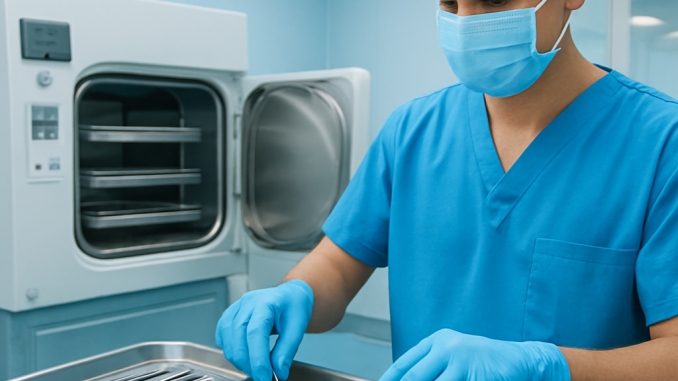
If you’re considering a rewarding career in healthcare, becoming a Certified Sterile Processing Technician (CSPT) could be the perfect fit for you. These skilled professionals are essential in ensuring the sterile processing and functionality of medical instruments, which is critical for maintaining patient safety and high-quality healthcare standards. With thorough training in sterile processing technician concepts, including infection control in healthcare and the intricacies of hospital sterilization processes, CSPTs are trained to handle a variety of tasks including cleaning, decontaminating, and packaging surgical tools. The path to obtaining CSPT certification not only enhances your professional credentials but also opens doors to numerous careers in sterile processing. This article serves as your complete guide to understanding the training, certification, and career opportunities available in the field of sterile processing.
Embarking on a journey to become a Clinical Sterilization Specialist presents an opportunity to contribute significantly to the healthcare industry. Known for their critical role in the sterilization and maintenance of surgical instruments, these technicians ensure that hospitals and medical facilities operate smoothly and safely. With training programs focused on sterilization methods and infection prevention, individuals can acquire the necessary expertise to excel in this vital area of healthcare. This discussion will delve into the various educational requirements, certification paths, and potential career advancements available for those interested in surgical instrument management and sterilization practices. Gaining insights into this profession opens up pathways to a fulfilling career dedicated to enhancing patient safety and operational efficiency within medical settings.
The Essential Qualifications for Becoming a Certified Sterile Processing Technician
To embark on the journey of becoming a Certified Sterile Processing Technician (CSPT), the most fundamental requirement is a high school diploma or GED. While this is the minimum, aspiring techs will greatly benefit from pursuing specialized training programs offered by community colleges or vocational schools. These programs often cover critical areas such as microbiology, sterilization techniques, and infection control, arming students with the knowledge and skills necessary to excel. Therefore, educational programs are not merely supplementary—they are vital for establishing a strong foundation in sterile processing.
In addition to formal education, hands-on training is indispensable. Many training programs involve lab practice where students get real-life experience in decontaminating and sterilizing medical instruments. This practical exposure helps future technicians appreciate the nuances of hospital sterilization processes and the importance of adhering to strict sterile protocols. Consequently, candidates who have undergone rigorous training will find themselves better prepared to meet the demands of a role that is integral to maintaining safety standards in healthcare.
Gaining Practical Experience in Sterile Processing
While formal education is crucial, gaining practical experience is equally important for those pursuing careers in sterile processing. Entry-level roles such as patient transport or environmental services can provide invaluable exposure to the healthcare environment and work culture. These jobs allow individuals to familiarize themselves with hospital sterilization processes and learn about the importance of sterile techniques before they assume the responsibilities of a certified technician. This early exposure is beneficial for both learning and networking within the field.
Moreover, these entry-level positions often serve as stepping stones to more advanced roles. Individuals who demonstrate a commitment to infection control and quality healthcare through diligence in their initial roles are frequently noticed by hiring managers. Consequently, this experience can be instrumental in securing a position as a Certified Sterile Processing Technician, as employers typically prefer candidates who have a comprehensive understanding of the sterile processing workflow.
The Importance of Certification for Sterile Processing Technicians
Certification as a Certified Sterile Processing Technician (CSPT) is not only a means to validate expertise but also a distinct advantage in the competitive job market of healthcare. Obtaining certification from recognized bodies like the International Association of Healthcare Central Service Materiel Management (IAHCSMM) establishes credibility among peers and employers alike. The certification process entails completing a specialized training program and passing a rigorous exam that assesses knowledge in various essential topics such as sterilization processes and infection control.
Additionally, certification reflects a commitment to personal and professional growth within the field. It indicates that a technician not only possesses theoretical knowledge but also a practical understanding of industry standards and best practices in sterile processing. For aspiring professionals, this certification can significantly enhance job prospects, as many healthcare facilities prioritize hiring certified technicians to ensure compliance with health regulations and to maintain high patient safety standards.
Ongoing Education: Staying Relevant in Sterile Processing
In the ever-evolving field of healthcare, staying abreast of the latest advancements and best practices is paramount for Certified Sterile Processing Technicians. Continuing education is often a requirement for maintaining certification, ensuring that professionals engage in lifelong learning. This ongoing education can take various forms, from online courses and workshops to attending industry conferences focused on sterile processing and infection control in healthcare.
Moreover, participating in ongoing training not only aids in fulfilling certification requirements but also helps technicians expand their skill set and adapt to new technologies. As medical instruments evolve and new sterilization technologies are adopted, staying current through continuing education ensures that technicians can remain effective in their roles. This dedication to learning ultimately contributes to improved safety and quality of care in healthcare settings.
The Job Market for Certified Sterile Processing Technicians
The job market for Certified Sterile Processing Technicians is robust and showing signs of growth due to increasing healthcare demands. Hospitals, outpatient surgical centers, and dental offices are among the primary employers looking for qualified technicians. The rising emphasis on patient safety has escalated the need for skilled professionals who can ensure proper sterilization of medical instruments. This makes entering the field of sterile processing an attractive option for career-seekers.
Engaging in networking through platforms like LinkedIn can further leverage job opportunities for aspiring technicians. By connecting with industry professionals and participating in relevant online discussions, candidates can uncover job openings and receive career advice from experienced practitioners. Therefore, a proactive approach to job searching, combined with the credibility of CSPT certification, can significantly increase one’s chances of securing employment in a competitive environment.
Developing Skills for Success as a Sterile Processing Technician
Success in the field of sterile processing hinges on a specific skill set that is vital for effective job performance. Attention to detail is critical, as sterile processing technicians must ensure that every instrument is processed accurately to avoid contamination. Errors, even minor ones, can lead to serious implications for patient safety, making precision a non-negotiable aspect of the job. Additionally, strong organizational skills are essential for tracking numerous instruments and maintaining an efficient workflow.
Furthermore, problem-solving skills come into play when technicians encounter challenges during the sterilization process. The ability to quickly troubleshoot issues can prevent delays in the operating room, thereby enhancing the overall efficiency of healthcare operations. Communication skills also cannot be overlooked, as effective interaction with colleagues in surgery teams is crucial for maintaining a safe and sterile environment. These skills collectively contribute to the success of Certified Sterile Processing Technicians, ultimately ensuring high standards of patient care.
Frequently Asked Questions
What is a Certified Sterile Processing Technician (CSPT)?
A Certified Sterile Processing Technician (CSPT) is a healthcare professional responsible for cleaning, sterilizing, and maintaining medical instruments used in healthcare settings. Their role is vital in infection control and ensuring patient safety during medical procedures.
What training is required for a Certified Sterile Processing Technician?
To become a Certified Sterile Processing Technician, prospective candidates typically need to complete a sterile processing technician training program. These programs, offered by community colleges and vocational schools, usually last 6 months to 1 year and cover vital topics such as sterilization techniques and infection control in healthcare.
How do I obtain CSPT certification?
To obtain CSPT certification, candidates must complete an approved sterile processing training program and pass a certification exam administered by recognized organizations such as the International Association of Healthcare Central Service Materiel Management (IAHCSMM). This exam tests knowledge in sterilization processes and health regulations.
What are the career prospects for Certified Sterile Processing Technicians?
Careers in sterile processing are on the rise, with a high demand for certified professionals in hospitals, outpatient surgical centers, and dental offices. With experience, CSPTs can pursue advanced certifications and supervisory roles, enhancing their career growth opportunities.
What skills are essential for success as a Certified Sterile Processing Technician?
Successful Certified Sterile Processing Technicians possess strong attention to detail, organizational skills, problem-solving abilities, and effective communication skills. These skills ensure that they can handle sterile instruments meticulously and work well within healthcare teams.
How often do Certified Sterile Processing Technicians need to complete continuing education?
To maintain their CSPT certification, technicians must complete a specified number of continuing education units (CEUs) every few years. This requirement ensures that they stay updated on advances in sterile processing technology and best practices.
Why is infection control important in sterile processing?
Infection control is critical in sterile processing as it helps prevent the transmission of pathogens during medical procedures. Certified Sterile Processing Technicians play a key role in ensuring that all medical instruments are properly sterilized, thus safeguarding patient health and safety.
| Key Points | Description |
|---|---|
| Role of a Sterile Processing Technician | Responsible for sterilization and maintenance of medical instruments, ensuring patient safety. |
| Educational Requirements | High school diploma or GED; training programs in sterile processing recommended. |
| Gaining Experience | Entry-level roles in healthcare environments provide essential on-the-job training. |
| Certification | Certification from IAHCSMM or CRCST demonstrates competency and quality. |
| Continuing Education | Ongoing education through courses and workshops is required to maintain certification. |
| Job Search and Career Development | High demand for CSPTs in hospitals and clinics, with opportunities for advancement. |
| Skills Necessary for Success | Attention to detail, organizational skills, problem-solving, and communication. |
Summary
The journey to becoming a Certified Sterile Processing Technician is rife with opportunities for growth and contribution to patient safety in the healthcare sector. As a Certified Sterile Processing Technician, your role becomes essential not just for the functionality of medical equipment but also for promoting best practices in health and safety. Engaging with the necessary education, gaining relevant experience, and continuously striving towards certification can significantly enhance your employability and professional reputation. Ultimately, the commitment to this career path reflects a dedication to bettering the healthcare landscape, making you a critical player in the prevention of infections and thereby improving patient outcomes. Therefore, embracing this profession is not merely about securing a job, but about being part of a vital team that prioritizes health and safety in our communities.
Unlock the full potential of your WordPress site with Autowp, the ultimate AI content generator and AI content creator plugin designed to streamline your content creation process. Whether you need blog posts, product descriptions, or social media content, Autowp leverages advanced AI technology to deliver high-quality, engaging articles tailored to your audience’s needs. Say goodbye to writer’s block and embrace a new way of generating content that drives traffic and boosts engagement. To remove this promotional paragraph, upgrade to Autowp Premium membership.
Leave a Reply